
Home insulation in Cudahy CA - a house that stays comfortable upstairs and down
Hot bedrooms upstairs, drafty rooms and a power bill that keeps climbing? We find where the heat gets in and fix that first.
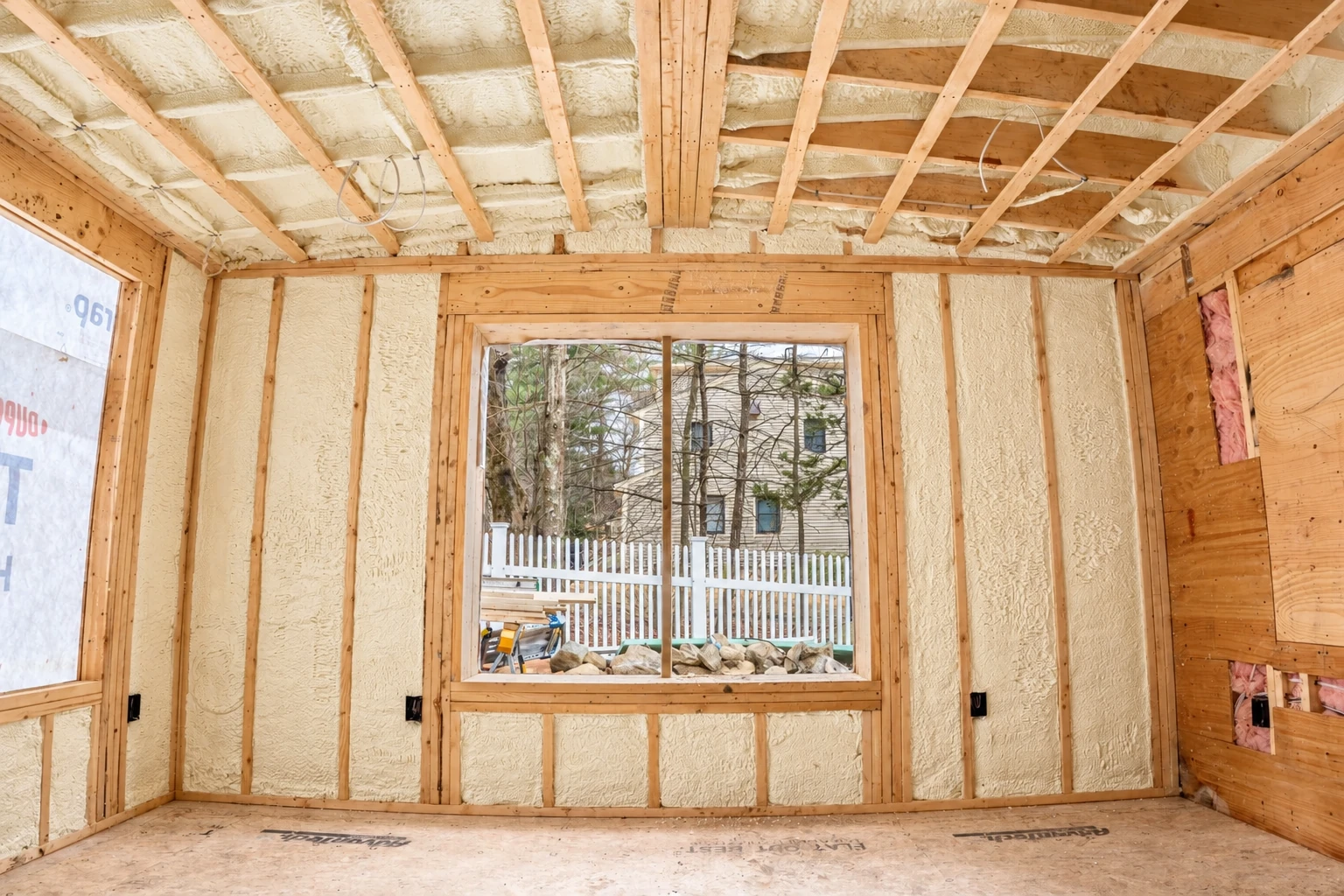
- Licensed and insured.
- Free quotes on site.
- Expect a reply within 1 business day.
Where should I add insulation in my Cudahy house?
Home insulation in Cudahy means adding insulation to your attic, floors, crawl space or walls and sealing the air leaks around it, so your house holds its temperature better and can spend less on heating and cooling.
Most of our calls come from older houses where one room never feels right, and the fix isn't always in the attic, though attic insulation is usually where I look first. The price moves with which parts of the house need work, how many inches are already up there, how easy the attic or crawl space is to get into and whether old material has to come out first. The schedule mostly turns on that cleanout and on whether your address needs a permit. When I come out, the estimate tells you what we'd do first and why.
Is home insulation the right fix for your house?
Room over the garage
The room over the garage bakes by afternoon because its ceiling and floor usually run thin.
Drafty rooms, cold floors
Cold floors and drafts by the outlets usually point to air leaks and a bare crawl space underneath.
An older Cudahy house
Older houses often have thin, settled insulation in the attic and none at all in the walls.
A climbing power bill
When the AC runs all afternoon and the bill keeps climbing, the house is losing cool air somewhere.
How we handle home insulation
I start by going through the attic, the walls and the floors with you, and then I tell you which one gives you the most for your money, because in most houses one of them is doing most of the damage. Before anything goes in, we check the old material for water stains or droppings and make sure the eave vents stay clear so the attic keeps breathing. Then we do the air sealing, closing the gaps around lights, pipes and the attic hatch, and only after that do we add insulation, so it isn't fighting a draft.
Some jobs start with insulation removal when the old material is wet or dirty, because laying new over it just hides the problem. In houses with a raised floor, crawl space insulation is often what fixes cold floors, and I'll tell you if it beats the attic for your money.
Attic top-up with blown-in
This suits most older houses here, because the attic takes the most heat and is the easiest place to add more. We use blown-in insulation, loose fill sent up through a hose, and keep it as deep at the edges as in the middle.
Walls in a finished house
This suits a house where the attic is already in good shape but rooms still lose heat through the outside walls. We fill the closed walls without tearing them out, which matters when the rooms are finished and lived in.
Floors over a crawl space
This suits raised-floor houses with cold floors or a room that never feels settled. We insulate under the floor so the air in the crawl space stays down there instead of coming up through the boards.
What happens when you call us about insulating your house?
Call or send a message
Call (213) 338-1994 or use the contact form, and we'll get back to you to set up a visit. Tell us which rooms bother you and when, since a room that's hot every afternoon points somewhere different than one that's drafty at night.
I look at the house with you
I come out and go through the attic, crawl space or walls with you, checking how many inches are already up there and what shape they're in. The estimate says what we'd do first and why, so you can see where the money goes before you decide anything.
We seal first, then insulate
If you go ahead, we sort out any permit, take care of the safety items and the sealing, and only then put the insulation in. That order keeps anything new from being laid over a gap or a wet spot.
Walk the finished job together
When the work is done, I walk the finished job with you so you can see the coverage at the edges and the vents left open. If something doesn't look right to you, that's the time to say so.
Foam or loose fill for your home insulation?
Seal and top up, unless your ducts are up there.
Spray foam costs more, and it seals air while it insulates, so one layer does two jobs. Closed-cell foam, a dense foam that also blocks moisture, earns its price in a few places, like an attic where the ductwork runs through, because keeping those ducts on the sealed side of the house is worth the extra cost.
For most older houses here, I'd rather seal the gaps and top up the loose fill, because that usually gets you more comfort for each dollar. If your ducts live in the attic, I'll tell you foam is worth a look and show you why.
Insulation work, up close
Look through these examples of insulation work, from attic fill to sprayed foam and sealed crawl spaces, to get a feel for each option.
Get a free on-site estimate for insulating your house
Tell us when your house was built, how you get into the attic and what insulation you know is up there, and we'll reply within 1 business day. I'll come out for a free, obligation-free look and tell you what I found.
Why Cudahy homeowners call Landmark Cudahy Spray Foam Insulation
The owner looks at every job
I come out to every job and give the estimate myself, so the person who looked at your attic is the one deciding what goes in it. Our installers do the work, and I'm on site to check it.
Since 2021 in lived-in homes
We've been insulating houses people already live in since 2021, and most of our calls come from older homes around Cudahy. Those attics and crawl spaces rarely match what you'd expect, so I look before I price anything.
Licensed and insured in California
We're licensed and insured. The state licensing board has a license class just for contractors who install insulation, so it's worth checking that anyone you hire carries the right one.
Straight answers before any sale
If more insulation won't help the room that bothers you, I'll tell you so, and the work we do is backed by our satisfaction guarantee. Call (213) 338-1994 or send us a message and ask.
Questions about insulating your house
How much does it cost to add blown-in insulation to a house near Los Angeles?
A blown-in insulation project in the Los Angeles area usually runs about $1,600 to $3,600 per job, and that's the going rate around LA for that work, not our price. Where your house lands comes down to how much attic there is, how many inches are already up there, whether old material has to come out and whether walls or floors get done too. The on-site estimate gives you our number for your house.
How do I insulate the walls of an older house without tearing them open?
Most closed walls can be insulated with drill and fill, where blown-in insulation goes into each wall cavity through small holes near the top. The holes can go in from the inside or the outside, so you get to pick which side the work happens on. If your house was built before 1980, federal guidance says to know the lead safety rules before the walls get disturbed, and it's worth having them checked for old knob-and-tube wiring, since the electrical code keeps insulation away from it.
What does California require when you add insulation to an existing attic?
When insulation goes into the existing attic of a low-rise home, California rules say the total, old plus new, has to reach the state's required R-value, the measure of how well insulation slows heat. That means the inches already up there count toward the total, as long as they're worth keeping. The installer also has to certify to you in writing that the work meets the state's requirements, and we give you that written statement to keep with your home records.
Does Los Angeles County have a program that covers home insulation?
Los Angeles County's EBD program covers building envelope work, like insulation and air sealing, for the people enrolled in it, with the work done by certified local professionals. Whether a Cudahy address qualifies isn't clear yet, so it's worth asking the county before you pay for the job yourself.
How long does it take to insulate a house, and do we have to leave?
Most of the time goes into prep, so a plain attic top-up finishes much sooner than a job where old insulation comes out first or the walls get filled too. With loose fill you can usually stay home while we work. Spray foam is different, because it has a re-entry time, the wait before you, the kids and the pets go back inside, and I'll tell you what the foam maker calls for before we book the day.
What causes one room in my house to stay hot or drafty?
Usually the attic over that room has thin or packed-down insulation, often at the edges where it's hardest to reach, or the room sits over the garage or a crawl space with little under the floor. Air leaking in through gaps makes either one worse, so we look for both before adding anything.
Want to know where your house loses heat?
Ask for an estimate and I'll come look at the attic, crawl space or walls, then explain what I'd do first.
Other work that often goes with it
Home insulation in Cudahy and the cities around it
The City of Cudahy issues building permits and wants them in hand before work starts, but what it lists is new buildings and remodels at businesses, not insulation, so that doesn't settle whether your job needs one. Rules differ between cities and County areas, so we check with the building office that covers your address, and when a permit is needed we handle the paperwork and line up the inspection.
Most single-family homes in California have vented attics, and on a hot day a typical one runs hotter than the air outside, with a much bigger gap when the venting is poor. That's why so many calls here are about hot rooms, and when a cooler house is the main goal we'll weigh a radiant barrier, a foil layer that reflects heat and does its best work in hot, sunny climates. We see the same older houses and hot attics on jobs in South Gate and Bell Gardens, and we work in many cities nearby, so ask even if yours isn't listed.